How to build a safety first culture with your roofing crew
Regular and ongoing communication essential for ensuring roofing safety
As roofing season ramps up and job sites get busier, it’s essential to build a safety-first culture that’s easy for your crew to embrace.
Prioritizing safety measures will protect your company from liability, safeguard your workers’ wellbeing, sustain productivity levels, and strengthen your reputation with clients and future employees alike.
Encouraging free and open communication between crew members, site supers and anyone else onsite is a core tenet for building a safety-first culture on any roofing project. Here are some methods you can use to foster a crew that takes safety seriously.
Foster buy-in from the crew
Building a safety-first culture starts with getting real buy-in from your crew through regular safety check-ins.
Whether it’s a Monday morning meeting to kick off the work week or a quick daily review, consistent touchpoints can help to suss out potential problems before they become full-blown emergencies.
This is a chance to get inquisitive – ask what risks workers regularly encounter on site, and what they believe would make their jobs safer. This practice creates space for open communication, and crews that feel like their input matters are much more likely to take ownership of safety practices.
Use this time to walk through the work and flag specific hazards, whether that’s wind, roof edges, or equipment handling. Having regular discussions, rather than one-off training sessions, gets your crew aligned and reinforces that safety is ongoing, not just something to be covered at project outset.
Mandatory training
That said, mandatory safety training is a baseline requirement for working a roofing project.
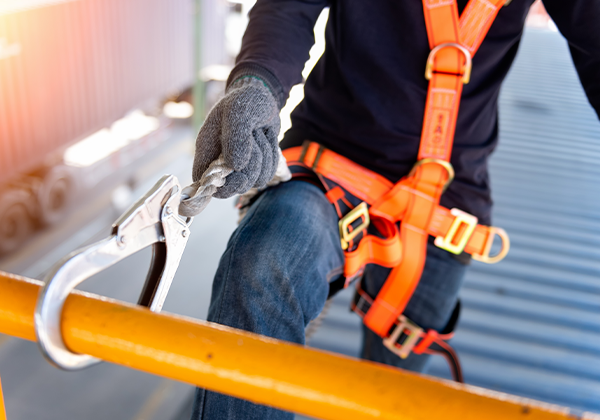
From fall protection and ladder safety to PPE and emergency protocol planning, every crew member needs to know exactly what safety requirements are expected of them and how they should be carried out.
Regular refreshers keep safety top of mind, and are a chance to learn about new materials, novel equipment and evolving regulations. Well-trained crews work smarter, spot risks faster and are savvy enough to prevent incidents before they happen.
Implement accountability measures and reporting rewards
Supervisors need to set clear safety standards and ensure they are being followed through with accountability measures.
That means following applicable roofing and construction safety regulations on every job, including mandatory PPE, adhering to fall protection protocols, and regular inspections of safety equipment. Those regular safety briefings we discussed earlier should serve to reinforce these expectations.
Crews should also be recognized for their safety wins, whether through simple appreciation or structured rewards. Encourage crews to report hazards, near-misses and potential issues proactively to bolster a safety-first culture, where doing the right thing is both expected and appreciated.
Take a top-down approach
Ultimately, a safety-first culture for roofing crews starts at the top, with leadership implementing structures that enforce and encourage safety protocols.
Crews are more likely to be proactive about safety when it is treated as non-negotiable, from creating space for open communication about concerns and solutions to investing in the right equipment.
Prioritizing safety pays off when it results in fewer incidents and smoother projects, especially during peak construction season. It also builds trust with your crew, your clients and your partners – and an excellent safety culture can make all the difference in establishing a brand people want to both work for and work with.