You can plan a roofing job down to the most minute details, but unless you’re diligently tracking costs as they come up, profit margins can quickly disappear. Some expenses are simply beyond a roofing contractor’s control, like material price changes, labour shortages or weather delays. Others stem from avoidable mistakes or uninformed decision making.
On the bright side, many hidden roofing costs can be reduced with better systems, accurate documentation and strong supplier relationships.
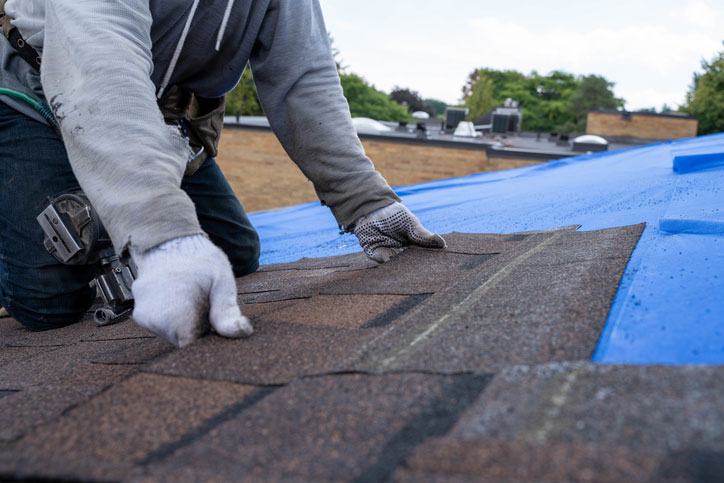
1. Material waste
There’s a reason they say, “measure twice, cut once.”
A few wrong measurements or careless mistakes on site can lead to wasted shingles, underlayment, flashing or other roofing materials.
Errors like this tend to arise when crews rush. Take the time to make sure you’re executing the job the right way the first time, and train your staff to do the same to avoid waste.
2. Getting lost in the paper trail
If materials, labour and additional work aren’t properly documented, it’s easy to miss billable line items that leave your company eating the costs.
Making the transition from analogue accounting systems to using digital tools may be a daunting task, especially for a legacy company. However, using a CRM or other software to track project material orders, expenses and revenue may just help you keep a more detailed paper trail, empowering you to accurately invoice for the work completed and all that entails.
3. Inaccurate material costs
Material pricing can vary significantly between suppliers, so shop around to make sure you get the best bang for your buck.
Companies like QXO use current data, extensive supply networks and professional, bespoke support to help contractors get the best prices for the materials they need, when they need it.
Whether you’re ordering through a representative or their online system, you can trust that the quotes are accurate and competitive, keeping unexpected material costs from eating into your profit.
4. Return trips, call-backs and repairs
A return trip costs more than just fuel – you’re also paying for extra labour costs and losing time that could be better spent taking on additional projects.
Taking the time to ensure quality workmanship and conduct thorough final inspections can help reduce unnecessary return trips to job sites.
5. Project delays
Poor weather is an unavoidable factor that may interrupt the work of roofing contractors, but other delays may be preventable with the right preparation and forethought.
Subtrade scheduling problems, mechanical breakdowns and other unforeseen circumstances can increase labour costs while tying up crews and equipment.
If you have one job running behind, this can have a ripple effect on the rest of your schedule. Good contingency planning can help keep projects on track and protect your bottom line.
6. Change orders
Change orders are just a part of being in the construction business and should be accounted for in your contingency planning. Give yourself wiggle room in the project timeline in case you need it, and a discretionary budget when you need to cover unexpected costs quickly.
The real problem comes from doing the work without getting paid for it. Every change should be clearly documented, approved and added to the final invoice so extra work doesn’t accidentally become unpaid work.
7. Safety equipment
Safety simply isn’t an optional expense.
Training, harnesses, fall-protection equipment, PPE and other safety requirements are essential to complete any project, and keep your crew safe while doing so.
Treating safety as a planned operating cost avoids larger expenses down the road. Budgeting for inspection, maintenance and replacement helps prevent these necessary costs from becoming unexpected hits to your profits.
8. Material price spikes
Material prices can shift quickly, putting pressure on fixed-price contracts.
Working with a dedicated supplier like QXO and building a strong relationship with your dedicated sales representative can allow you to access better pricing, plan purchases and navigate challenging economic conditions.
9. Lost rebate opportunities
Manufacturer and supplier rebates can be easy to overlook when no one is tracking them.
Missing a rebate means leaving money on the table. Make rebate programs part of your estimating and purchasing process. Better yet, use purchasing systems, like QXO online, that automatically scope out and track material rebates.
Additionally, reach out to your QXO sales representative for more information on manufacturer rebates.
10. Equipment repairs and replacement
Vehicles, ladders, compressors, nail guns – these are just some of the essential tools that keep a roofing business running. When something breaks down, the impact goes beyond limited the repair itself.
Regular maintenance and inspections can help catch problems before they become costly repairs, while setting aside a dedicated repair and replacement budget can make unexpected expenses easier to absorb when they do arise.
Protect your roofing profit margins
It’s not often that roofing profit disappears in one fell swoop.
Rather, it gets chipped away by small leaks that are easy to overlook but accumulate over time. Buy a few extra bundles of shingles, execute an unpaid change order, add in the gas for a few additional trips to the job site, or fail to claim a rebate for eligible materials, and suddenly there’s a hole where your profits should be.
For roofing contractors, controlling hidden costs starts with good systems, proactive planning and strong supplier relationships. Ultimately, better margins don’t come from working more – they come from losing less money on the work you’re already completing.