The difference between an emergency winter roof fix and a scheduled replacement
Can you actually replace a roof in the winter, or are you stuck putting a tarp over it and praying the weather stays mild until May?
The short answer: Yes, you can replace a roof in the winter.
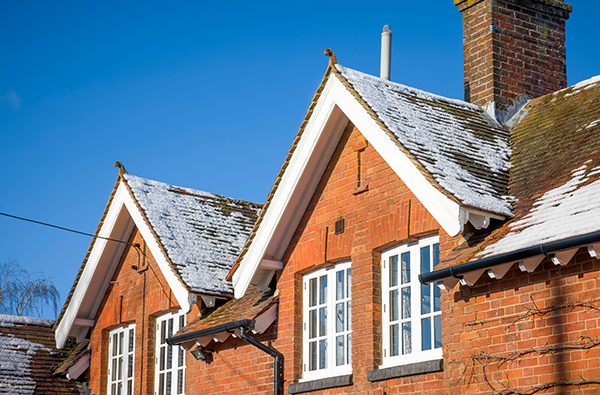
That said, sub-zero roofing requires a specific approach that uses specialized materials and a crew that knows how to operate in frigid conditions.
If you're facing a roofing emergency mid-winter, here is what you need to keep in mind.
What constitutes a winter roofing emergency?
Not every roofing issue needs to be addressed on the spot. Knowing what demands quick action versus what can wait will save you time and unnecessary stress.
You need to act immediately if you find:
- Active interior leaks where water is dripping into living spaces or running down walls.
- Severe ice damming that forces backed-up water underneath shingles.
- Exposed underlayment or structural sagging from heavy snow loads.
Left unaddressed, these problems quickly lead to ruined insulation, damaged drywall, or severe mould growth, creating repairs that often cost far more than the winter roof replacement itself.
On the other hand, minor cosmetic issues can usually wait until spring. If you have a single cracked shingle, light granule loss, or an old roof that is simply near the end of its lifespan – but still keeps water out – there is no need to rush. You may, however, want to pull out that temporary tarping in the meantime.
Why winter roofing Is harder
Working on a roof during a Canadian winter means you need to consider how materials and crews behave in the cold.
For example, standard asphalt shingles – the kind most commonly used in residential roofing – can get stiff and brittle when temperatures drop below 5°C. These often use heat-activated adhesive strips to seal, and without summer heat the factory glue won’t bond, leaving unsecured shingles vulnerable to the elements.
Another layer down, the wooden deck must be kept entirely free of frost. Otherwise, that trapped moisture can thaw and create the perfect environment for rot or attic mould to grow underneath the new installation.
Finally, winter jobsite conditions demand extra time. Snow, frost and ice make pitched roofs slick, forcing crews to clear surfaces and secure safety lines before starting any actual construction. Factor in less light from shorter days and heavy winterwear, and you have conditions that are simply harder – and more expensive – to operate in.
Work with a contractor on a winter roof replacement
For a winter roofing repair or replacement, don’t go it alone – work with a pro, and choose a contractor with seasonal experience. Don’t sign any contracts until you’ve discussed their cold-weather installation procedures, any material warranties and what safety measures they’ll need to take.
We’d also suggest discussing the forecast and having an open line of communication that allows crews to work with a flexible schedule that can absorb weather-related delays.
Finally, ensure your contractor and their crews are equipped with the proper cold weather grade materials and gear. Behind every successful winter installation is a supplier that stocks cold-weather formulations. Building supply distributors like QXO Canada stock professional contractors with the materials and winter gear they need to get the job done safely and professionally.
Don’t wait – replace your roof in winter if necessary
If your roof is just naturally aging, showing a bit of wear, and you’re proactive about maintaining it, it’s likely safe to wait for winter to end to execute a renovation or replacement. Roofing from late spring through early fall is typically smoother, faster, and easier on the budget.
But if you notice active heavy leaks, severe storm damage, or a sagging deck, do not wait.
Roof damage caused over time by water continually melting, freezing, and seeping into your attic and walls will cost dramatically more than a winter roof replacement ever will.