How contractors can help their clients pick the right roof for their needs.
Contractors aren’t fortune tellers, and they can’t guarantee how long a client’s roof will last once installed.
This is especially true in Canada, where the only thing consistent about our weather patterns is that they tend to be inconsistent. In certain regions, roofs need to be able to withstand all kinds of extremes, from record-breaking heatwaves to epic ice storms.
How long a roof lasts depends on factors like materials, roof design, installation quality and ongoing maintenance.
Knowing how to communicate these variables makes it easier to recommend the right roofing system for each project, while building trust with clients who are making a significant investment in their home.
Start with the Right Roofing Material
Choosing lasting roofing materials requires balancing performance, aesthetics and budget. The architectural style of the home and the surrounding neighbourhood—otherwise known as the character of the neighbourhood—may also need to factor into the decision.
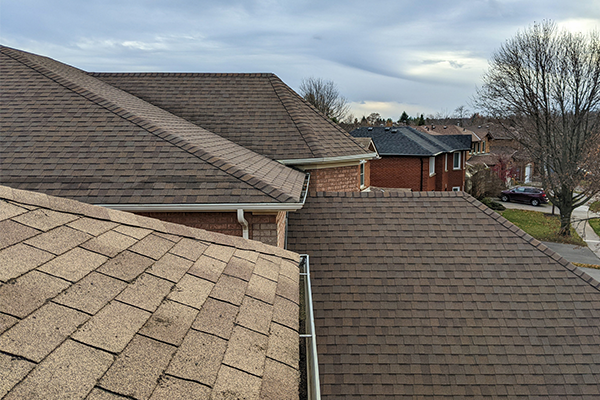
Asphalt shingles remain the most common choice because they offer an affordable balance of performance and value. Basic 3-tab asphalt shingles typically last between 15 to 20 years, while architectural asphalt shingles may last up to 30 years because of their thicker construction and improved durability. For those drawn to a more traditional appearance, cedar shakes can also deliver up to 30 years of performance.
Homeowners seeking an enduring roofing system are increasingly considering composite shingles, which can perform for up to 50 years.
Metal roofing offers some of the more impressive longevity, frequently lasting between 40 and 70 years while providing excellent protection against the most extreme weather conditions.
No matter the material, contractors need to make it clear that lifespan estimates are not guaranteed. Clients still need to weigh other variables, like long-term maintenance requirements, potential weather exposure and overall return on investment when selecting a roofing material.
Roof Design Influences How Long a Roof Will Last
The shape and slope of a roof should also factor into the decision.
Steep roof designs, like gable, hip and mansard roofs, naturally handle precipitation more effectively than low-slope systems. This is because they reduce moisture exposure, effectively extending the lifespan of the roof.
Standing seam metal roofing is great for sloped roofs in regions where heavy snowfall and strong winds are common. Cedar shakes also perform well on sloped roofs but require more frequent inspections and moss removal to maintain their lifespan.
Built-up roofing systems typically provide between 15 and 25 years of service when properly maintained.
Townhomes tend to have flat and low-slope roofs, which are more susceptible to ponding water and ice dams than their steeper brethren. For these roof styles, EPDM and TPO membrane systems typically last between 15 and 30 years.
Installation Can Make or Break a Roof
Even premium roofing products can fail if they aren't installed as intended.
Proper attic ventilation helps prevent heat and moisture from becoming trapped beneath the roof deck, reducing the possibility of curling shingles, wood rot and mould buildup.
Quality workmanship is equally important. Certified contractors who follow manufacturer installation requirements help ensure roofing systems achieve their intended wind resistance and drainage performance.
Canada's Climate Creates Regional Challenges
A roof that performs well in one province may face very different conditions elsewhere.
For example, in areas with repeated freeze-thaw cycles, heavy snow and ice dams place significant stress on asphalt roofing. Architectural and composite shingles may provide better long-term performance than basic 3-tab products.
Along British Columbia's coastal regions, persistent rainfall, humidity and moss growth can accelerate roof deterioration, requiring more frequent maintenance. Organic materials like cedar shakes are generally not the ideal choice in these environments.
Similarly, Atlantic Canada experiences powerful coastal winds, salt spray and severe storms that often make corrosion-resistant metal roofing or highly wind-rated architectural shingles the preferred option.
Choosing the Right Roof for the Long Term, Together
Every roof presents an opportunity for contractors to build trust—and a good reputation—with their clients.
Having the communication skills to explain how material selection, roof design, installation quality and regional climate affect a roof's potential lifespan gives homeowners the confidence they need to make informed decisions.