Check these Home and Roof Maintenance Items Off your To Do List Before the First Snow
Get your home winter ready from the roof down with this essential exterior maintenance guide
From roof maintenance to exterior clean up, the time to start preparing your home for winter is now – before the snowflakes start to fall.
Completing a winter home maintenance checklist before bad weather hits helps protect your property from the harsh effects of the elements, prevents potentially costly repairs and keeps your family comfortable through the coldest months of the year.
Your roof is your home’s first line of defence against heavy snow, ice and freezing temperatures, so it’s not a bad idea to put it at the top of your seasonal to-do list.
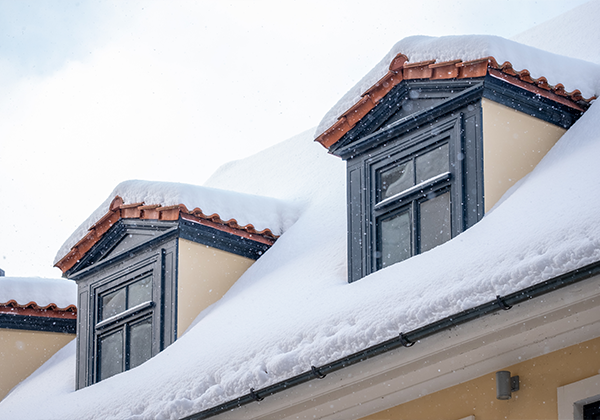
1. Inspect and maintain your roof from the outside in
Proper roof maintenance in is essential for preventing snow and ice buildup, which can lead to ice dams that wear down your roof, causing leaks and structural damage.
Start with an exterior winter roof inspection, and if needed, don’t be afraid to reach out to a professional for help.
Check for missing, cracked or curling shingles. All it takes is one damaged shingle for moisture to seep in, freeze, and expand, causing deterioration in your home’s framing and insulation.
Next, inspect flashing around chimneys, vents and skylights to ensure they are secure and free of rust or lifting. Pay attention to any sagging areas or uneven sections on your roof, which can indicate trapped moisture or weakened supports.
Once you know the outer layers of your roof are sound, it’s time to tackle drainage. Clear away debris from your gutter that might have collected throughout the year.
Now, it’s time to head inside to peak in the attic and inspect insulation and ventilation. Poor insulation allows warm air to rise into the attic and creates pockets of uneven roof temperatures that lead to ice dams. Make sure your attic insulation it is evenly distributed and dry, and add extra where needed to maintain consistent indoor temperatures.
Next, inspect your attic’s ventilation, ensuring that soffits and ridge vents are clear, allowing for airflow that lets heat and moisture escape. This prevents condensation and mould, which can weaken roof decking, insulation and structural components.
2. Seal exterior openings
After completing a roof inspection and any resulting maintenance, move on to inspecting windows and doors.
Check for gaps and cracks where heat might escape or cold air could enter, and reapply caulking or replace worn weatherstripping as needed.
Sealing your home’s openings keeps interiors warmer, with the added bonus of reducing heating costs throughout the long winter.
3. Check driveways, walkways and steps and prepare for ice and snow removal
Wintertime slips and falls are so common they might as well be a Canadian rite of passage, but there are ways to prepare and avoid these unfortunate accidents.
First, inspect concrete or asphalt surfaces for cracks or uneven spots and fill them to eliminate areas where snow and ice can build up. The freeze-thaw cycle can make minor cracks worse and lead to costly repairs in spring, so doing this step before the snow falls can save you money down the line.
Follow up with a protective sealant, to help prevent water from penetrating those surface and freezing.
Next, gather your snow shovels, road salt and ice melt, and keep them somewhere easily accessible. If you have a snowblower, check that it is working properly so it can be put to work as soon as the first snow falls.
4. Protect exterior fixtures and landscaping
For the final stage of preparing your home for winter weather, do another lap around the exteriors to drain outdoor faucets and irrigation systems and turn them off.
Ensure the longevity of your garden tools, hoses and patio furniture by storing them in a dry place. Tuck your garden beds away for the winter by covering them with mulch and dedicated outdoor fabrics.
Finally, trim overhanging branches that could break under the weight of snow and damage your roof, siding or outdoor accessories.
Enjoy the winter knowing your home, roof and comfort are protected
Canadian winters can be tough on homes and roofs, but with the right preparation, you can arm your property to withstand inclement weather and save time, stress and repair costs down the road.
Now get started, before the first snow arrives!